


mouse-model
-

Hunting for balance: how the huntingtin protein compensates in HD
Researchers look at the cause and effect of various forms of the HTT protein. They find both expanded and unexpanded HTT contribute to brain cell communication and the brain has an amazing capacity to compensate for changes related to disease
-

BAC to basics: a more accurate mouse model for Huntington's disease
A genetically-tweaked Huntington's disease mouse model shows a tendency for the CAG repeat to grow, just like we see in humans with the mutation.
-

Oral drug may change the story for huntingtin lowering
Researchers with PTC Therapeutics recently published exciting new findings – a promising new huntingtin lowering drug that can be taken as a pill. Will this change how we move forward with huntingtin lowering?
-

GPR52: Exploring a new way to lower huntingtin
A Chinese research team developed a new way to lower huntingtin protein indirectly, by targeting a protein called GPR52. The molecules they designed were protective in cells and in mice with HD.
-
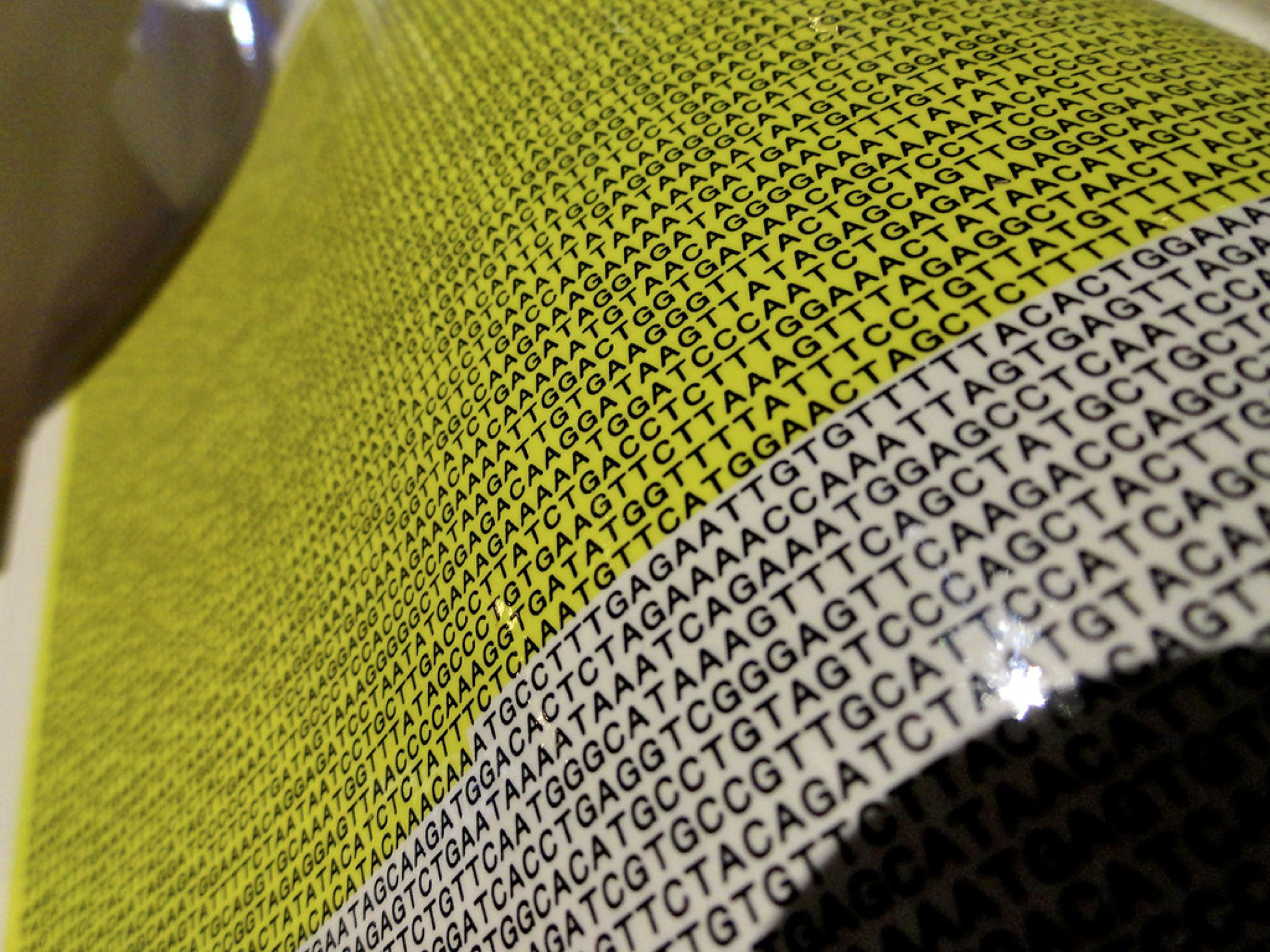
Screening the entire genome for new drug targets for HD
Scientists screen the ENTIRE genome to find new potential therapeutic targets for HD. This ambitious study provides a wealth of data for HD researchers
-

Could molecular handcuffs lower the protein that causes Huntington's disease?
Researchers got surprisingly lucky when looking for drug molecules to pull mutant huntingtin protein into a cellular garbage disposal machine
-
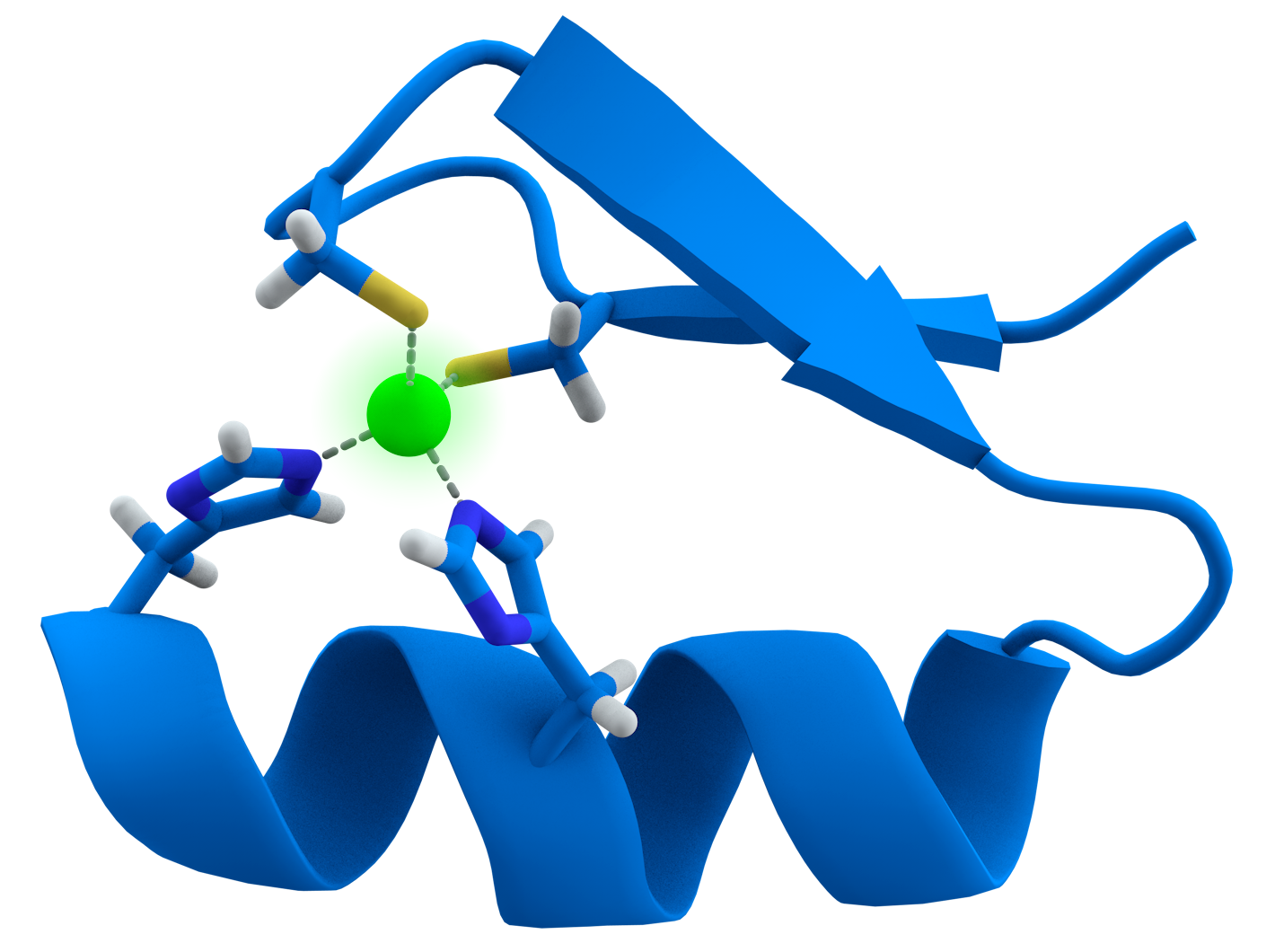
Exciting new Huntingtin lowering tool described
Exciting new Huntingtin Lowering work from @SangamoTx and @CHDIfoundation using "Zinc Fingers" to shut down expression of the mutant Huntingtin gene. More details on this exciting new technique here.
-
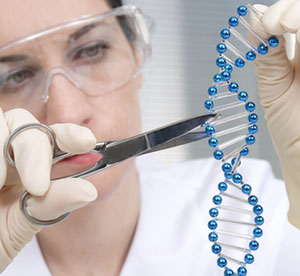
A step forward for gene editing: CRISPR-Cas9 and HD
Evolving CRISPR-Cas9 techniques can now be used to edit the HD gene in a living mouse brain.
By Dr Leora Fox -

Enemy at the gates – huntingtin disrupts nuclear transport
Two recent studies show how a cellular border control system goes wrong in HD, opening new avenues for HD research.
By Tom Peskett -
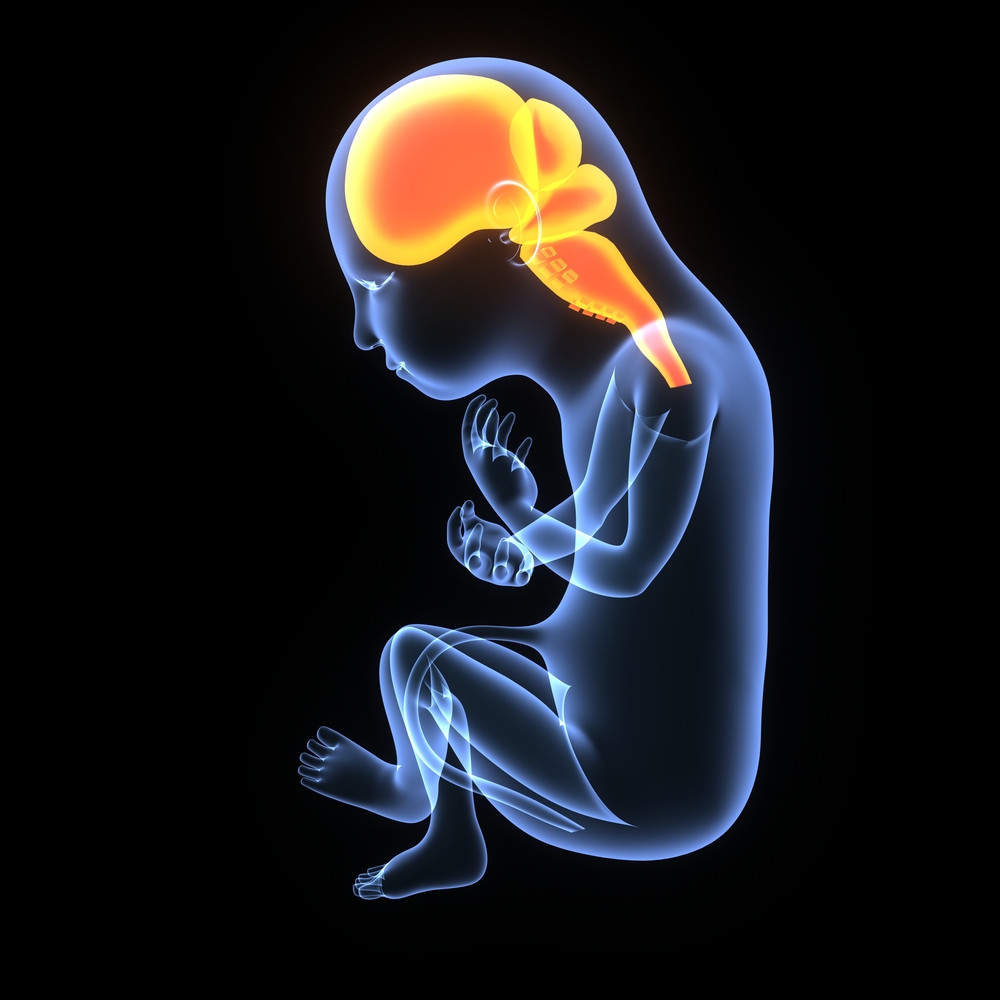
The benefits of migration, highlighted in Huntington's disease
Is HD a developmental disease? HD stops neurons migrating in developing brain, but maybe we can get them going again