


human
-

New Insights Into Why Huntington’s Disease Has Delayed Onset
A highly-anticipated scientific paper has landed! This new work challenges current theories in Huntington’s disease research, uncovering how runaway CAG repeats erode cell identity in certain types of brain cells, leading to their death.
-

The dust has settled: Sage’s dalzanemdor won’t advance for cognitive impairment
Changes in thinking, learning, and memory are some of the most distressing and impactful in Huntington’s disease. Sage Therapeutics was advancing their drug dalzanemdor to treat these symptoms, but unfortunately this program will be halted.
-

PROOF-HD study of pridopidine ends with negative result
The phase 3 trial missed its primary endpoint of slowing loss of function in Huntington’s disease
-

Hereditary Disease Foundation (HDF) conference 2022 – Day 1
Read updates from clinical trials and scientific research on Huntington’s disease from Day 1 of the 2022 HDF Milton Wexler Biennial Symposium #HDF2022
-

Sad news from Novartis: dosing suspended in VIBRANT-HD trial of branaplam
HDBuzz is saddened to share the news that the VIBRANT-HD trial of the oral huntingtin-lowering drug, branaplam, has been temporarily suspended for the safety of participants.
By Dr Leora Fox -

Working as a team: Changes in brain development mean some brain regions may be slacking off
Scientists use human fetal tissue to look at HD brain development. But what do developmental changes mean when symptoms don’t occur until decades after birth?
-

HD Young Adult Study defines the sweet spot: symptom-free with measurable changes
We know that HD-related changes can occur many years before symptom onset, but how early do those changes begin? A team of researchers set out to determine that with a new comprehensive study in pre-manifest HD young adults.
-
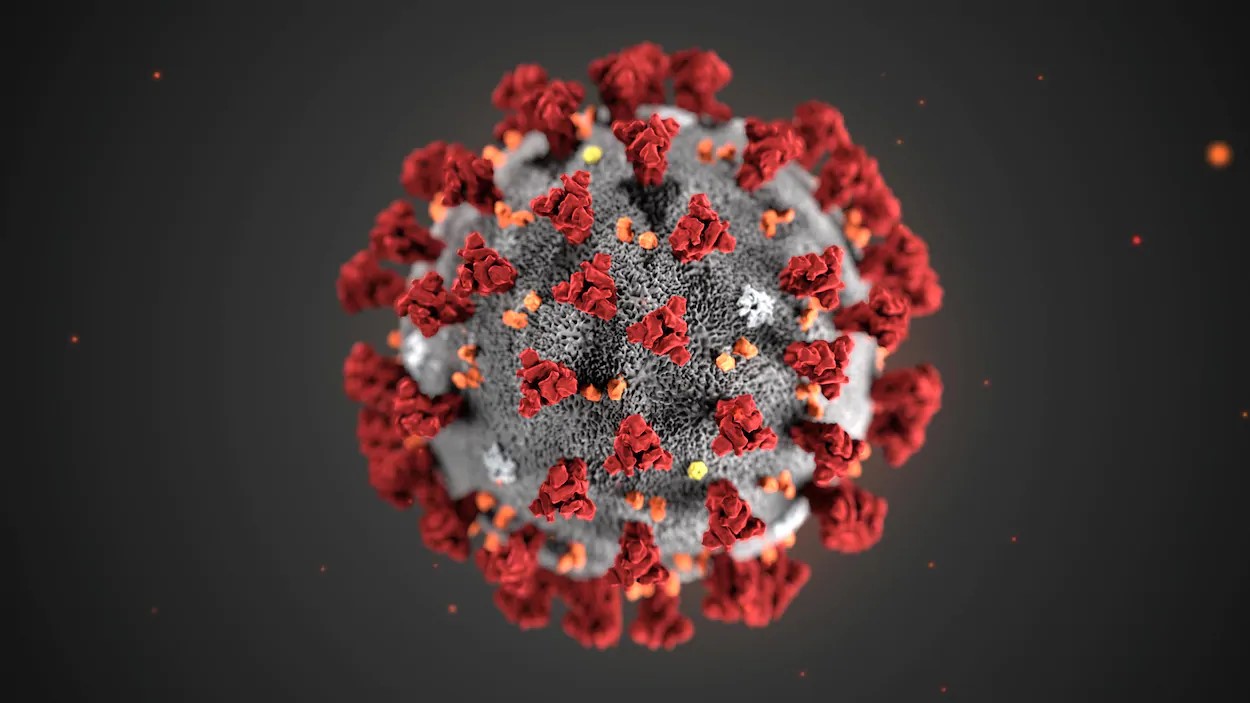
What does COVID-19 mean for Huntington’s disease families and HD research?
COVID-19 update: what does it mean for HD families, how does it impact HD research, and how has it changed the way science works?
-

Huntington’s disease therapeutics conference 2020 – Day 2
HDBuzz reports from the annual Huntington’s disease therapeutics conference in Palm Springs
-

The third dimension: using minibrains to understand brain development changes in HD
Researchers show that highly expanded CAGs in the HD gene can cause early developmental changes using 3D brain models called organoids. What’d they find?