


featured
-

SKY-0515 Lowers Huntingtin In People With Huntington’s Disease In Trial Update
SKY-0515, an oral drug, safely lowers huntingtin in people with HD and may also reduce PMS1. This could offer a possible two-pronged approach to treat HD. SKY-0515 is now being tested in a larger Phase 2/3 trial.
-
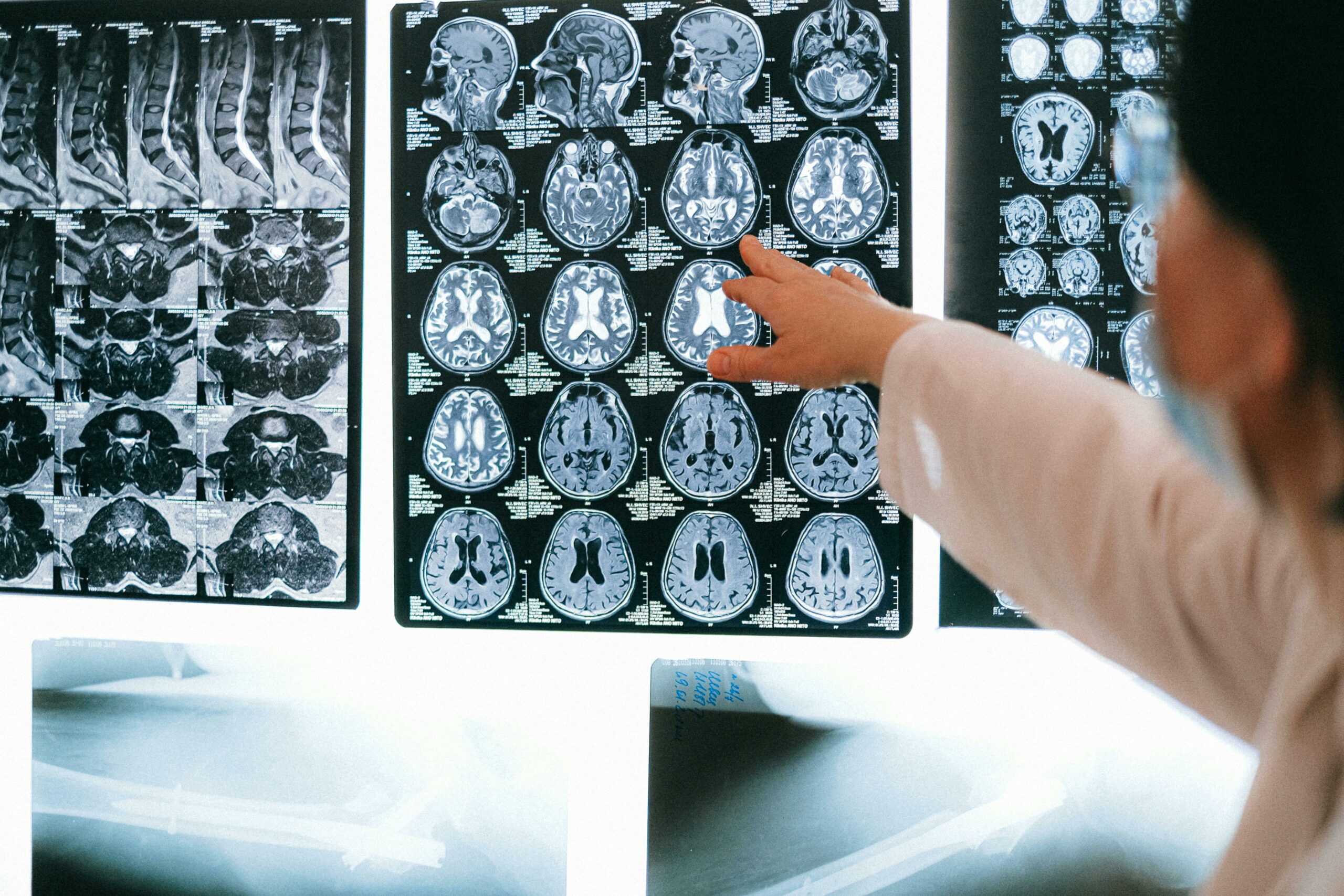
2025 HDBuzz Prize: MR-“why” am I feeling this way? How MRI is helping us understand why people with HD may sometimes be unaware of their symptoms
We’re proud to announce Jenna Hanrahan as a 2025 HDBuzz Prize winner! People with HD may be unaware of their symptoms, not out of denial but due to real changes in the brain. MRI scans give new clues about what is going on.
-

PROOF in the Publishing: Slicing the Data on Pridopidine
Pridopidine has been tested as a potential HD treatment over decades. The large PROOF-HD trial did not meet its main goals, but its results are now published. Publication makes the full data available, helping the HD community learn from the study.
By Dr Leora Fox -

2025 HDBuzz Prize: ACTing on HD: Exploring Acceptance and Commitment Therapy to Improve Mental Health in People with Huntington’s Disease and Their Caregiver
We’re proud to announce Nicolo Zarotti as a 2025 HDBuzz Prize winner! A new case study shows Acceptance & Commitment Therapy (ACT) can improve mood and boost quality of life for people with HD, and help caregivers too.
-

2025 HDBuzz Prize: Calm Before the Storm: Early Clues of Huntington’s Disease Found in Brainwaves
We’re proud to announce Eva Woods as a 2025 HDBuzz Prize winner! Scientists spotted small brainwave changes in people with HD before symptoms begin. These early electrical “whispers” of HD could help track effects years before diagnosis.
By Eva Woods -

Falling Into Hope: HDBuzz Fundraising Campaign 2025
We’re “Falling Into Hope”! Our goal: raise $30,000 by Oct 28 to keep HDBuzz independent and growing. Help us deliver trusted, unbiased HD research updates in this pivotal year, and beyond.
-

August 2025: This Month In Huntington’s Disease Research
From meal timing to muscle health, gut microbes to DNA repair, August’s HD research highlighted fresh insights and hopeful strategies. New biomarkers, protein maps, and lifestyle clues point toward earlier detection and hope for smarter treatments.
-

When DNA Repair Goes Off Script: How a Small Change in FAN1 Can Accelerate Huntington’s Disease
Two studies show how a small change in FAN1, a DNA repair protein, can speed up HD. The alteration disrupts FAN1’s DNA grip, driving repeat expansions and earlier symptoms.
-

Cracking the Protein Puzzle in HD: New Blueprints Offer Hope for Stopping Damage Early
Scientists have imaged the toxic clumps and fibres made by expanded huntingtin with cutting-edge microscopes, helping us to understand the exact way they can be assembled and how their structure could be altered for potential therapeutic gain.
-

City Under the Microscope: How Two Proteins Could Help Track Huntington’s Disease
In Huntington’s disease research, biomarkers are the secret weapon for spotting treatment effects. A new blood study uncovers two proteins, CAP1 and CAPZB, that, with additional work, could help track the disease before symptoms begin.