


cell-model
-

Break Up With Your CAGs: How Three Letters Could Change Huntington’s Disease
Scientists engineered stem cells with “interrupted” CAG repeats to break up the toxic stretch. This may stop expansion, and could improve problems in cells that model Huntington’s disease. This study suggests that DNA spelling can drive the disease.
-

Energy off balance: How Huntington’s disease influences the cell’s powerhouse
Scientists used 3D mini-brains grown from stem cells to study Huntington’s disease. They found early developmental changes linked to mitochondrial stress, suggesting that energy imbalance may play a role in HD, even before neurons fully form.
-
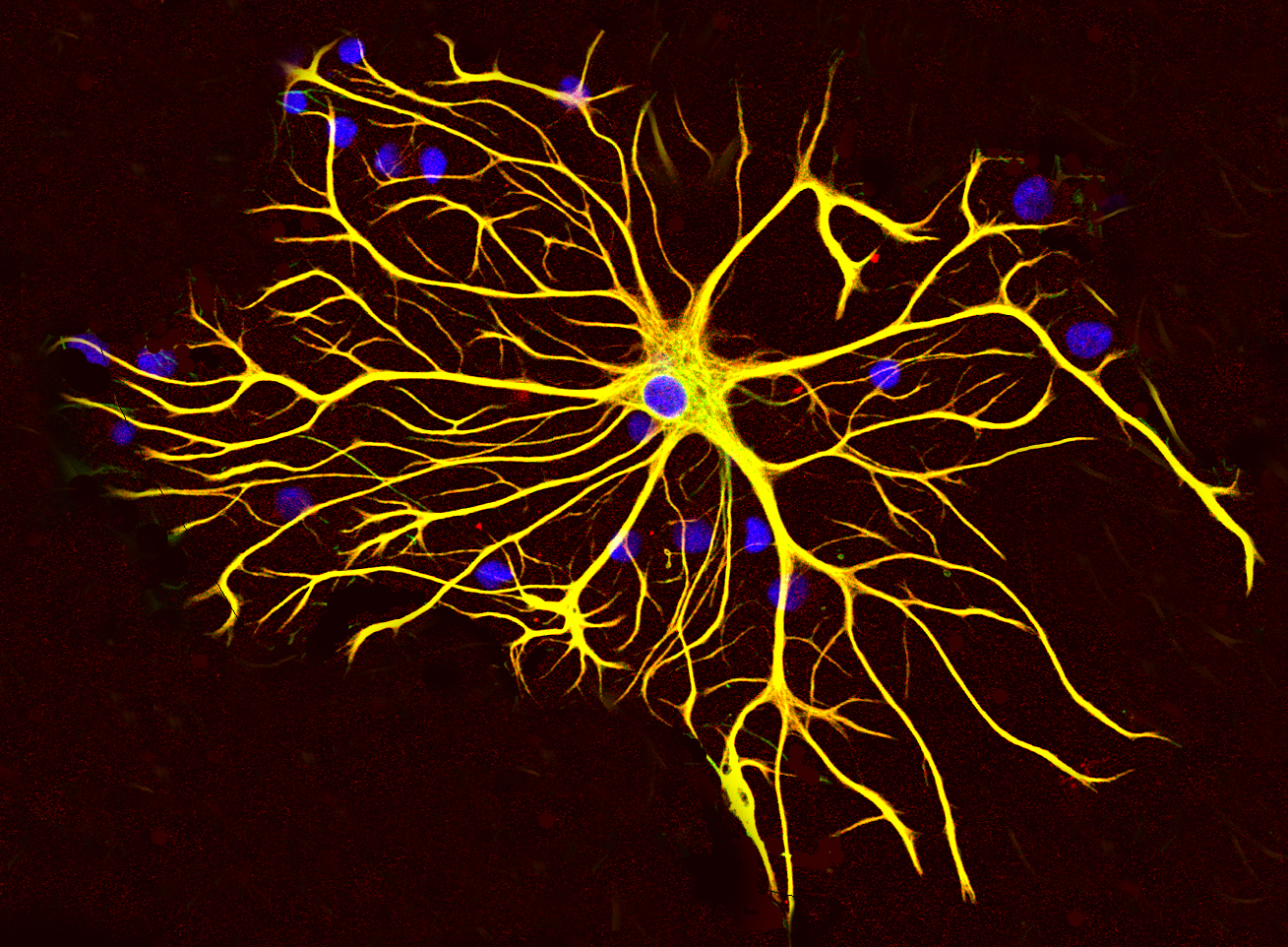
2024 HDBuzz Prize: Beyond nerve cells – who are the other players in the HD brain?
We're proud to announce Jenny Lange as a 2024 HDBuzz Prize winner! Our brains are made up of many types of cells that play different roles in the changes caused by HD. This study dives into a star-shaped cell called astrocytes and their role in HD.
-
Mini brains grown in a dish shed light on Huntington’s disease and how we might treat it
Exciting new findings using 3D human lab-grown mini brains inform ongoing HTT-lowering trials and suggest that stem cell transplants for HD may improve cell-to-cell communication and reduce disease features.
-

Oral drug may change the story for huntingtin lowering
Researchers with PTC Therapeutics recently published exciting new findings – a promising new huntingtin lowering drug that can be taken as a pill. Will this change how we move forward with huntingtin lowering?
-

The third dimension: using minibrains to understand brain development changes in HD
Researchers show that highly expanded CAGs in the HD gene can cause early developmental changes using 3D brain models called organoids. What’d they find?
-
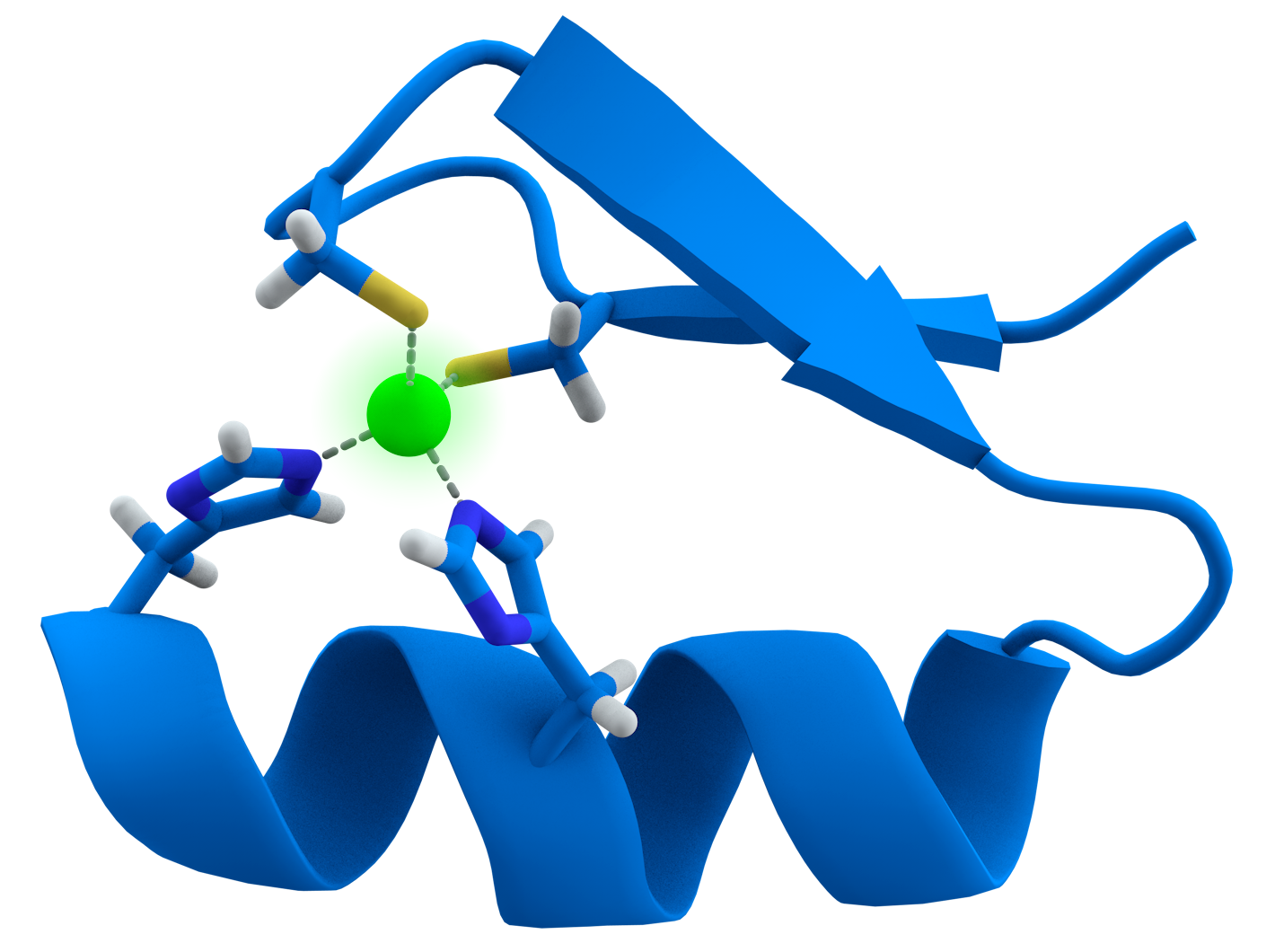
Exciting new Huntingtin lowering tool described
Exciting new Huntingtin Lowering work from @SangamoTx and @CHDIfoundation using "Zinc Fingers" to shut down expression of the mutant Huntingtin gene. More details on this exciting new technique here.
-
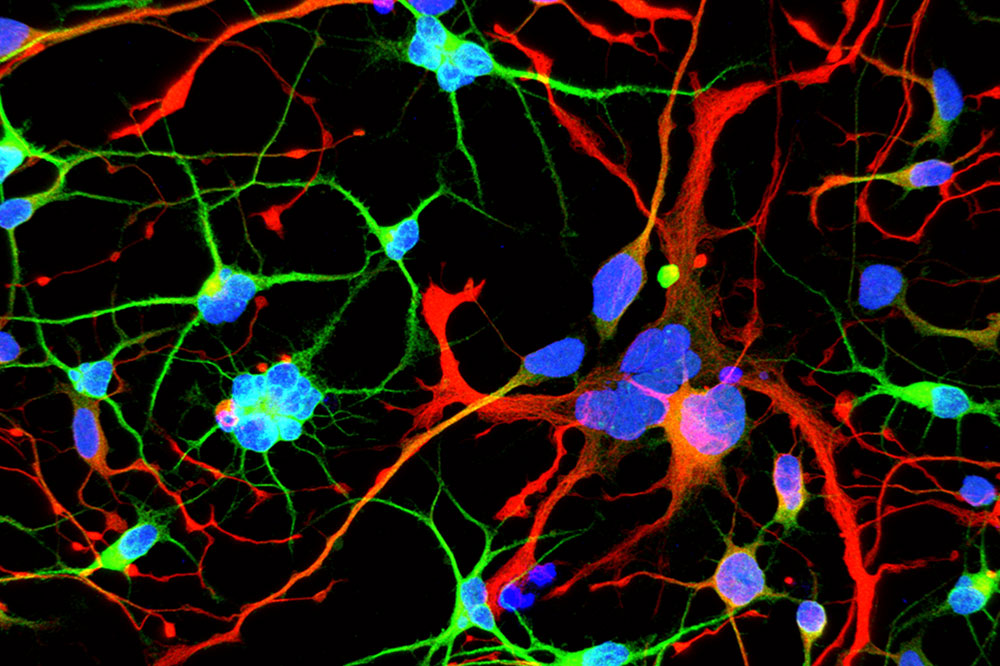
An early role for the Huntington's disease gene – but don't believe all the headlines
A surprising new paper sheds light on the role of the HD gene early in development. Should we worry?
-

Has a "wonder drug" for dementia been discovered? (Spoiler alert: no.)
Media reports of a wonder drug for neurodegenerative diseases like Huntington's disease are overhyped
-

Enemy at the gates – huntingtin disrupts nuclear transport
Two recent studies show how a cellular border control system goes wrong in HD, opening new avenues for HD research.
By Tom Peskett