


huntington's gene
-

Break Up With Your CAGs: How Three Letters Could Change Huntington’s Disease
Scientists engineered stem cells with “interrupted” CAG repeats to break up the toxic stretch. This may stop expansion, and could improve problems in cells that model Huntington’s disease. This study suggests that DNA spelling can drive the disease.
-

Peeking at huntingtin and learning from a PET study
Scientists tested a new tool to measure harmful HTT protein in HD. It wasn’t perfect, but offered key insights to guide better tools already in the works. A big step toward tracking HD non-invasively, from inside the brain!
By Dr Leora Fox -

Navigating the Genetic River: How Tiny Variants Could Shift the Course of Huntington’s Disease
Hidden twists in the Huntington’s disease gene could shift symptoms by over a decade! Scientists have uncovered rare “genetic dams” that shape when HD begins – sometimes dramatically
-

Interruptions are encouraged
A CRISPR-based approach called “base editing” is being explored to develop a new potential treatment for Huntington's disease. Editing a single letter in the genetic code with base editing may be the key for delaying HD symptoms, maybe by a decade.
By Dr Chris Kay -

BAC to basics: a more accurate mouse model for Huntington's disease
A genetically-tweaked Huntington's disease mouse model shows a tendency for the CAG repeat to grow, just like we see in humans with the mutation.
-

Fountain of youth: HTT protein repairs neurons by maintaining youthful state
Another clue about the normal function of the huntingtin protein; a team of scientists has recently found that huntingtin seems to play an important role in repairing damaged nerve cells
-

New molecule can reverse the Huntington's disease mutation in lab models
A collaborative team of scientists from Canada and Japan have identified a small molecule which can change the CAG-repeat length in different lab models of Huntington's disease. #HuntingtonsDisease #DrugDiscovery
-
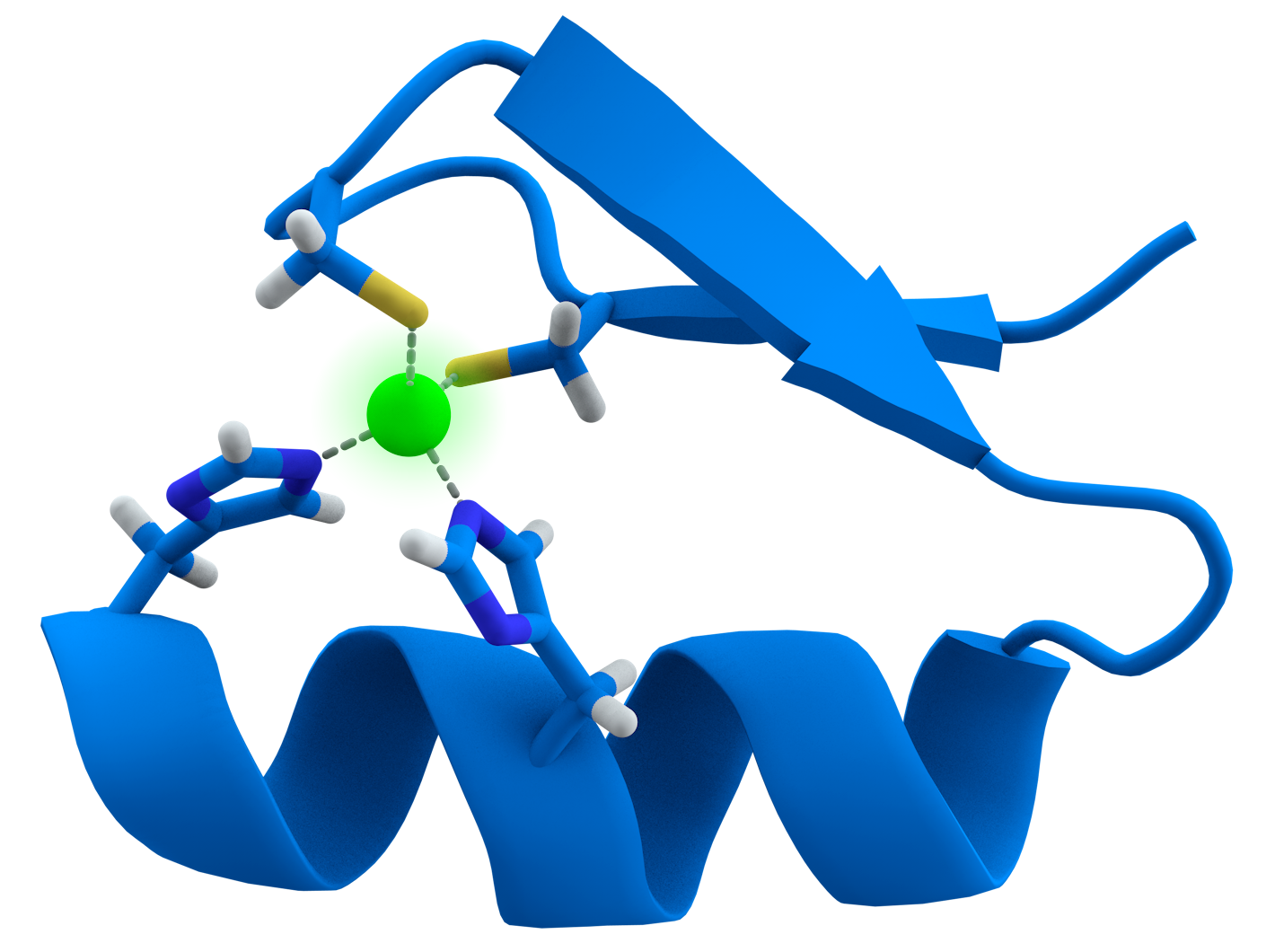
Exciting new Huntingtin lowering tool described
Exciting new Huntingtin Lowering work from @SangamoTx and @CHDIfoundation using "Zinc Fingers" to shut down expression of the mutant Huntingtin gene. More details on this exciting new technique here.
-

Kids sometimes get Huntington’s disease too
Finally, a big study that shows what childhood HD looks like. This will help us work out if new drugs work in children too
-
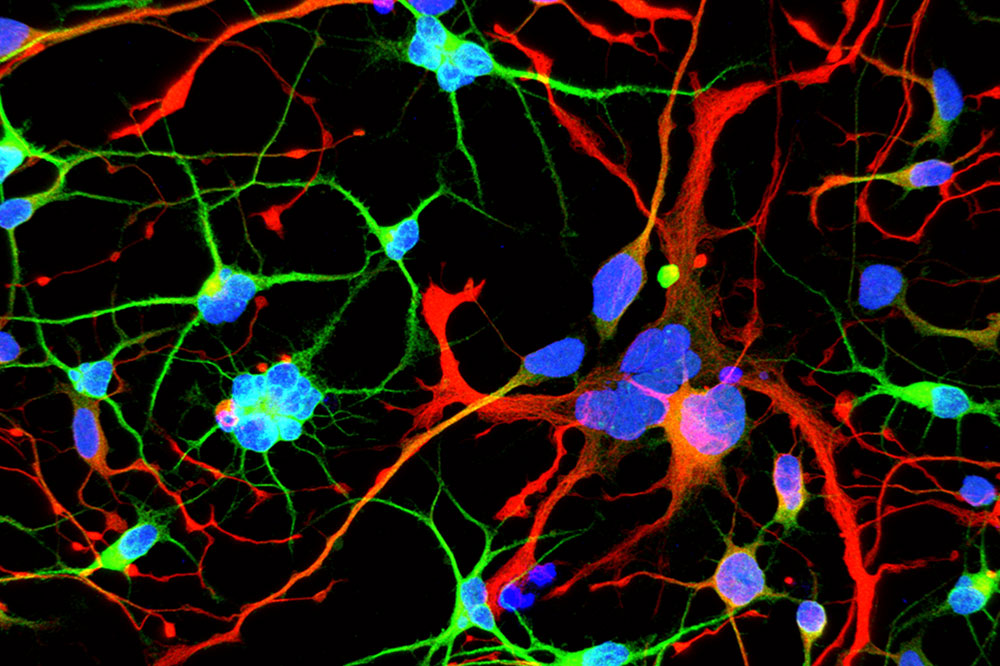
An early role for the Huntington's disease gene – but don't believe all the headlines
A surprising new paper sheds light on the role of the HD gene early in development. Should we worry?