


care
-

Can’t Get You Out of My Head: The Huntington’s Disease Symptom That’s More Than Just Repetition
5 min read
Getting “stuck” on a thought, action, or conversation can be a symptom of HD—not stubbornness. New research suggests perseveration may begin earlier than previously thought and highlights the value of caregiver perspectives.
-

Food for Thought: The Importance of Nutrition in Huntington’s Disease
8 min read
What if nutrition is one of the warning lights we should be checking earlier in Huntington’s disease? New research suggests simple nutrition measures may help identify when people with HD need extra support.
By Eva Woods -

Mirror, Mirror on the Wall: When Self-Awareness Shifts in Huntington’s Disease
6 min read
A new study suggests that reduced awareness of symptoms, known as anosognosia, may appear even in the earliest stages of HD. The findings highlight that understanding symptom progression requires more than one perspective.
-
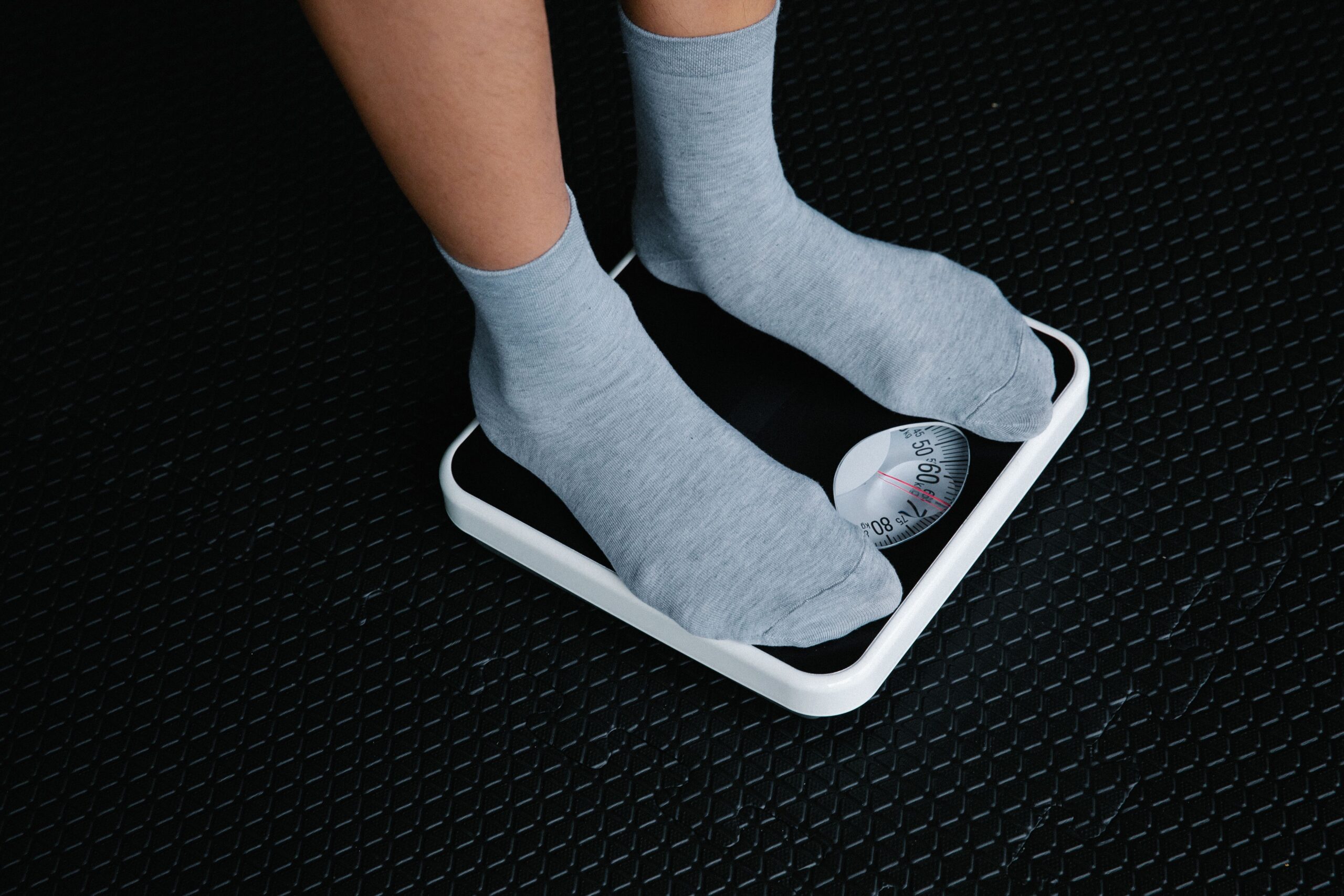
More Than Just Food: The Hidden Challenges of Eating with Huntington’s Disease
8 min read
People with Huntington’s disease commonly experience unintended weight loss. A recent article identified the challenges around HD’s impact on eating and weight maintenance, and explored how families and professionals navigate them.
-

The Great Care Conundrum: What “Good” Care Looks Like in Huntington’s Disease
8 min read
What does “good care” look like in Huntington’s Disease? A new Dutch study asked familial and professional caregivers, and uncovered how differently it’s experienced in practice.
By Eva Woods -

Dancing With a Stranger: Understanding Apathy in Huntington’s Disease Through Caregivers
5 min read
Apathy in HD isn’t just “not caring.” It can affect relationships, routines, and emotional connection. A small study of caregivers reveals the heavy toll of apathy and the value of safe spaces to share experiences.
-

Artificial Intelligence enters the HD space as a diagnostic tool
8 min read
From predicting symptom onset to tracking movement changes via smartwatch, artificial intelligence tools are being used in research. Here’s where we are, and why Huntington’s disease is a strong candidate for these approaches.
-

Between Care, Genes, and Systems: Navigating Huntington’s Disease as a Caregiver
6 min read
A small study based in Ireland asked a simple question: what does caring for someone with Huntington’s disease feel like? The answers point to isolation, stigma, and major gaps in healthcare support for many of the respondents.
-

Two Heads Are Better Than One: Combined Physical and Music Therapy for Late-Stage Huntington’s Disease
6 min read
A new study looking into combined music and physical therapy shows that simple rhythmic cues work better than complex music or instructions, helping to improve movement control and reducing chorea.
-

Better Sleep, Better Function: New Study Links Sleep Quality to Clinical Outcomes in Huntington’s Disease
6 min read
Most people with HD report sleep problems, & new research suggests sleep quality is linked to many aspects of living with the disease. Wearables tracked people with HD for a year & revealed better sleep & strength training might help.