-

Studying Stutters: What 900,000 genomes teach us about growing DNA repeats
Latest News
-

First participants dosed in new POINT-HD huntingtin-lowering trial
POINT-HD has begun dosing its first participants with the drug RG6496, marking an early but important step for a new selective huntingtin-lowering approach.
-

A road less traveled: how making less huntingtin can alter somatic instability and may delay symptoms
CAG repeats can get longer over time as the HD gene is used, like the growing potholes and cracks in an old road. New research finds that blocking cells from using their HTT gene slows this wear and tear, which might slow the onset of symptoms in HD.
-

A tug-of-war at the DNA: how Huntington’s repeats grow and shrink
A new study from Switzerland sheds light on how the CAG repeat number in the Huntington’s disease gene can grow or shrink inside our cells.
-

UniQure Receives FDA Meeting Minutes on AMT-130 While Community Support Remains Strong
UniQure received FDA’s meeting minutes on AMT-130. While there were no new updates, the community’s response has been powerful, with 41K+ petition signatures & unified advocacy from major HD orgs.
-
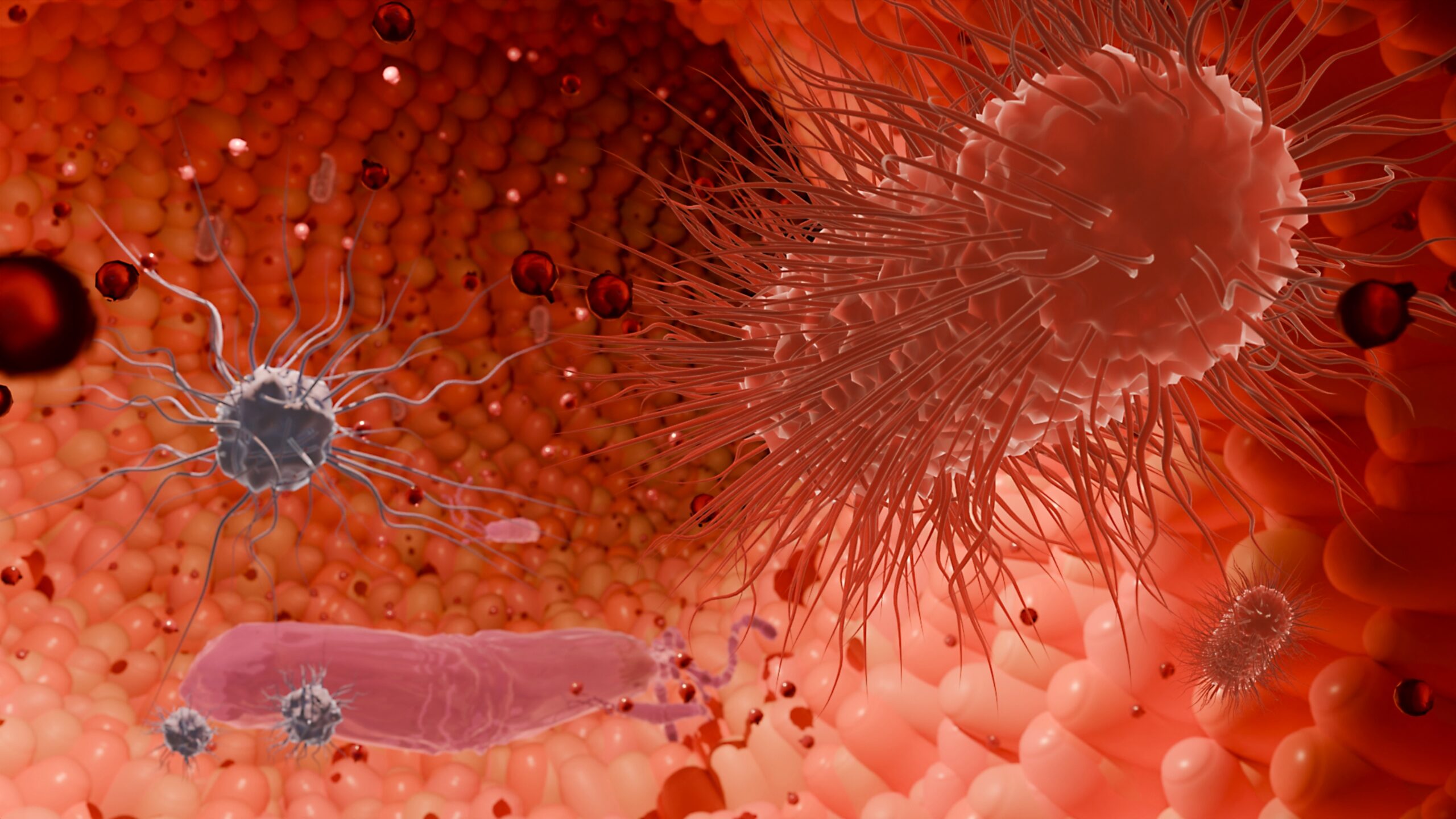
Feeding the Brain Through the Gut: How Prebiotics Might Shape Huntington’s Disease
Studies in mice that model Huntington’s disease suggest that prebiotics – the food that feeds our gut bacteria – might improve gut health and neurological symptoms.
-

An Old Drug, New Tricks: Sertraline May Lighten the Load in HD by Targeting Protein Production
New research suggests the antidepressant sertraline might have improved function in people with Huntington’s disease, prevented motor problems in mice, and stabilized protein production. Could this common drug be impacting HD from multiple angles?
-

November 2025: This Month in Huntington’s Disease Research
From stem-cell “tooth fairy therapy” to gene therapy roadblocks and new genetic insights, November was big for HD research. Catch all of these stories in our monthly summary!
-

Folding A Shirt With 12-Foot Arms: Understanding Protein Folding in Huntington’s Disease
In a recent Nature Communications publication, a team of researchers investigated a new way to improve the protein folding process in HD and stop the formation of toxic clumps.
-

SOM3355 Moves Toward Phase 3 as Both EMA and FDA Signal Support
SOM3355, a drug to help manage HD symptoms, has received a positive opinion from the EMA for orphan drug designation, and the company is aligned with the FDA after its End-of-Phase-2 meeting. A global Phase 3 trial is expected to start in 2026.
-

A Tiny Genetic Tweak Could Delay Symptoms and Activate Cellular Cleanup for Huntington’s Disease
Scientists discover a rare genetic quirk that may extend the age of onset in people with Huntington’s disease by boosting cellular cleanup.
HDBuzz Trial Tracker


Show 10 more Show less

Sites for Phase 3 trial for votoplam, INVEST-HD, now open. Updates on recruitment and first dosing imminent.

REGEN4HD, Phase 1 stem cell implantation study commences


Progress update for NCT06585449 – A Study to Evaluate ALN-HTT02