-

HD2026 Milton Wexler Biennial Symposium Day 3
Latest News
-

HD2026 Milton Wexler Biennial Symposium Day 2
⏱️ 23 min read | Day 2 of #HD2026 brought us updates on the mechanics of somatic instability, new ways to track HD in people, AI tools to help drive research forward, and developments in our understanding of the HTT protein. Catch up right here.
-

HDSA FAQ on the Roche/Genentech RG6042 program
HDSA's frequently asked questions factsheet about the huntingtin-lowering trial ASO program was so good we stole it (with permission)
-

Kids sometimes get Huntington’s disease too
Finally, a big study that shows what childhood HD looks like. This will help us work out if new drugs work in children too
-

Roche announces details of its 'pivotal' huntingtin-lowering study
The GENERATION-HD1 trial will test whether RG6042 – formerly Ionis-HTTRx – slows the progression of Huntington's disease
-

Disappointing news from LEGATO-HD trial of laquinimod in Huntington's disease
The LEGATO-HD trial of laquinimod did not slow progression of Huntington's disease. Here's the lowdown.
-

HDBuzz Enrolls in Enroll-HD
As promised, HDBuzz's Jeff Carroll finally signed up for the Enroll-HD study. Learn more about this important global HD "observational study" here.
-

First Dolly, now Piglet; a new Huntington’s disease pig knock-in model confirmed
For the first time in HD research, an animal model has been created in pigs using 2 cutting edge DNA editing t
-

New collaboration seeks to speed Huntington's disease drug licensing
Critical Path Institute launches new initiative to get HD drugs licensed as quickly as possible
-
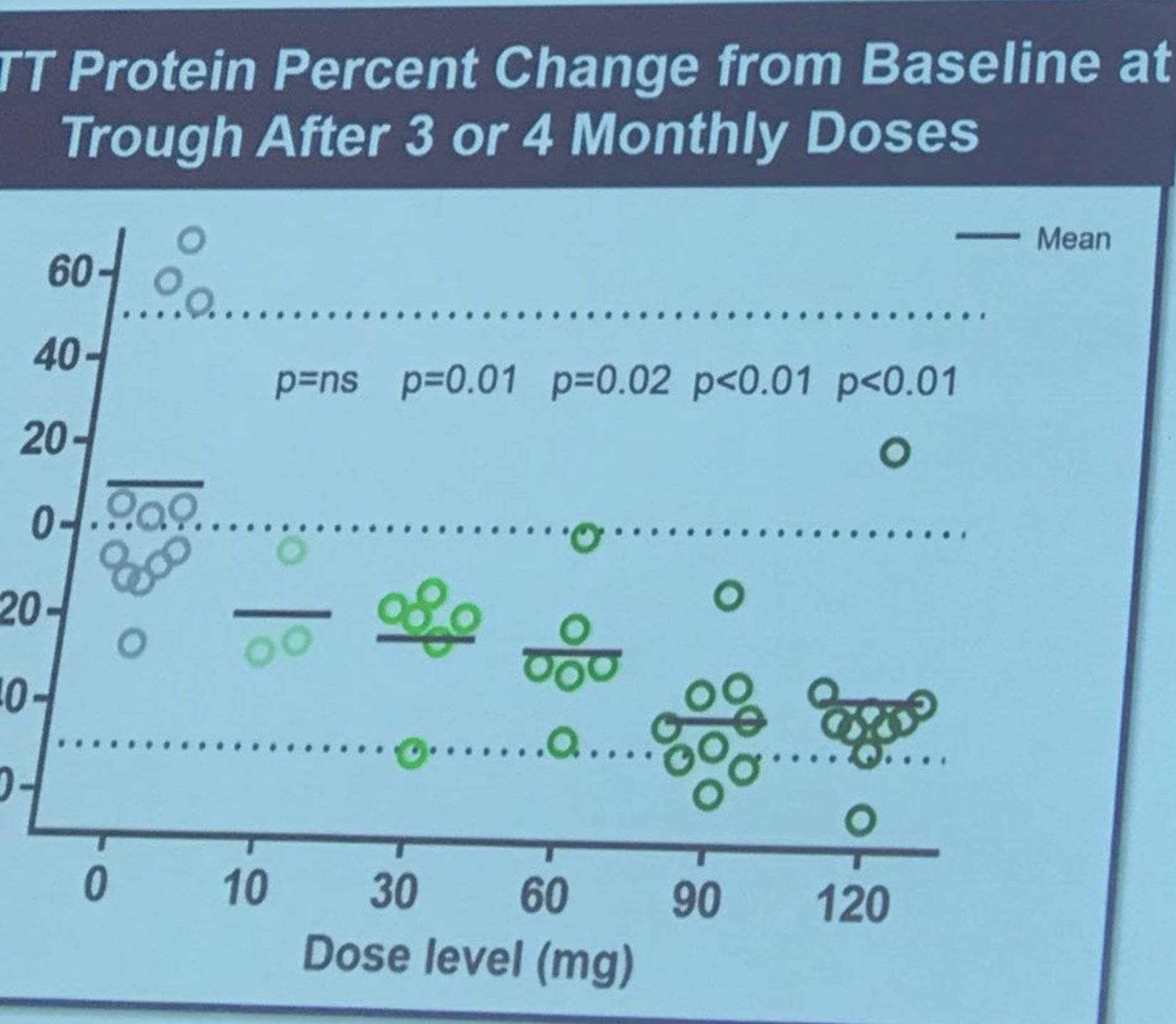
HDSA’s Q&A on the latest huntingtin-lowering update from Ionis and Roche
Our friends at @hdsa have produced this really good Q&A document about the latest huntingtin-lowering news.
-

Exciting Experiments in "Open Science" by Huntington's Researchers
Brave scientists open their notebooks to help drive HD research at the risk of getting "scooped".
-

The structure of the protein that causes Huntington's disease, revealed
Huntingtin protein's structure is now clear thanks to cryo-electron microscopy. This is kind of a big deal
HDBuzz Trial Tracker


Sites for Phase 3 trial for votoplam, INVEST-HD, now open. Updates on recruitment and first dosing imminent.
Show 9 more Show less

REGEN4HD, Phase 1 stem cell implantation study commences


Progress update for NCT06585449 – A Study to Evaluate ALN-HTT02