-

What Pigs Revealed that Mice Missed in Huntington’s Disease
9 min read
Latest News
-

Finding the silver lining: an update on the Roche GENERATION-HD1 trial data
10 min read
The first round of findings from the halted tominersen huntingtin lowering trial, GENERATION-HD1, run by Roche were shared this week with the HD community. HDBuzz explains what they found and what’s next.
-

KINECT-HD trial shows valbenazine improves involuntary movements in Huntington's disease
7 min read
In a much-needed bit of good news for the Huntington's disease community, Neurocrine Bioscience's KINECT-HD trial showed that treatment with valbenazine significantly reduced the involuntary movements called chorea
-

Updates from the EHDN Meeting 2021
9 min read
Last month, HDBuzz attended the online European Huntington's Disease Network (EHDN) meeting. Read our summary of all the latest clinical trial updates.
-

Real talk: Q&A with Roche about GENERATION-HD1
18 min read
The HDBuzz team sat down (virtually) for an in depth Q&A session with the team at Roche to answer questions about tominersen and the recent halting of the GENERATION-HD1 trial
-

Another tool in the box: Creation of a molecular “dimmer switch” advances gene editing
7 min read
A new system has been developed that allows researchers to fine-tune gene expression with oral drugs, work that provides a powerful tool for gene editing.
-

Unpacking recent gene therapy press
10 min read
Voyager Therapeutics is shifting towards a new technology to deliver gene therapy and away from a planned HD clinical trial. But this could lead to less invasive drugs in the long run, and many other companies are working on HD gene therapies.
-

Does blood hold the key to testing treatments earlier in HD patients?
5 min read
A new study by researchers at Johns Hopkins describes a non-invasive way to track progression of Huntington’s disease. This could be used before patients even start showing symptoms to help test treatments in early stages of disease.
-
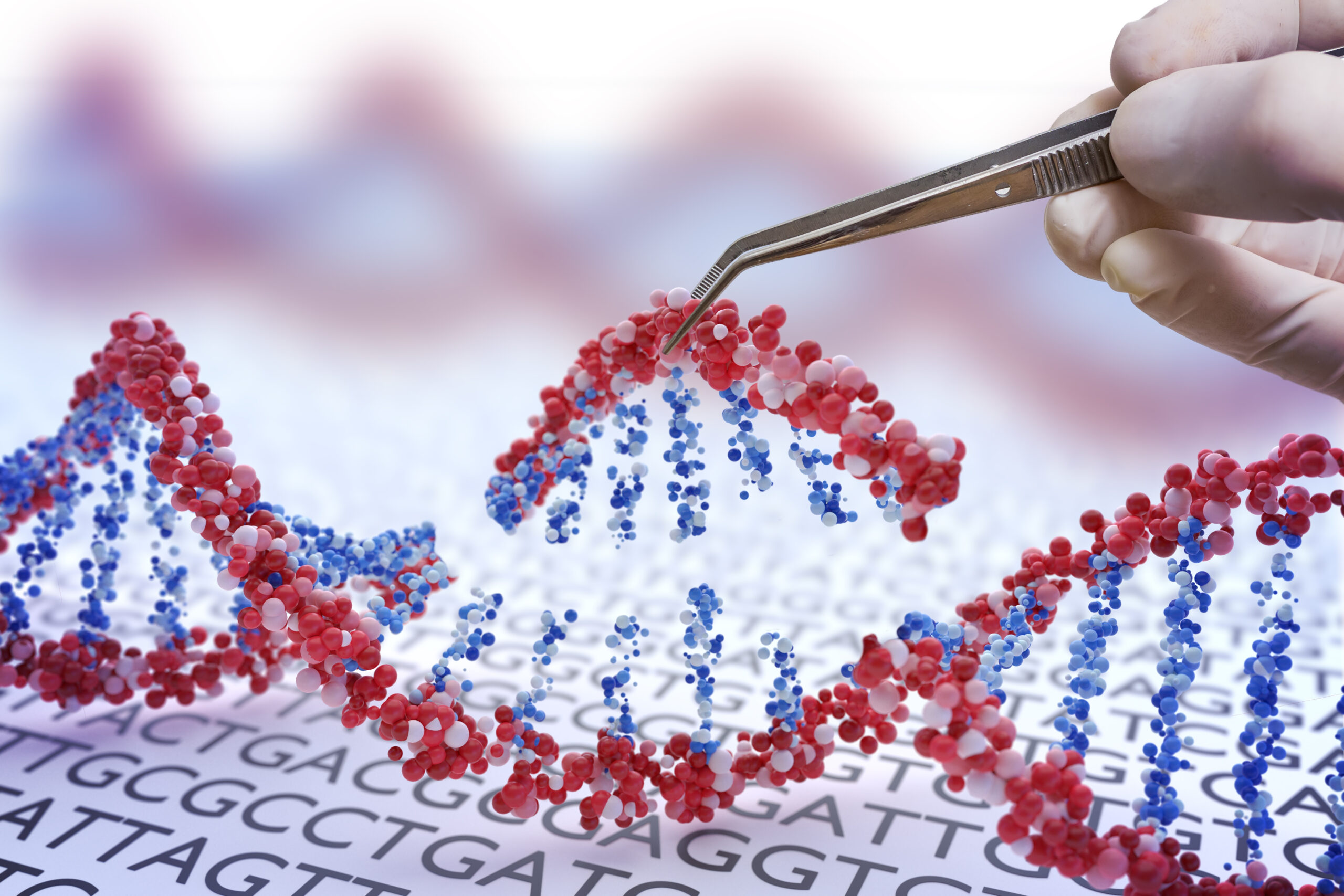
A first for CRISPR gene editing could have wider applications for human disease
5 min read
A successful early trial of a drug for Familial Transthyretic Amyloidosis showed that CRISPR gene editing could be safely used in the human body. What does this mean for gene editing in HD?
-

Scientists identify precisely how pridopidine works in models of Huntington’s disease
6 min read
New studies pinpoint precisely how the drug pridopidine works in models of Huntington’s disease
-

Huntington's disease therapeutics conference 2021 – Day 3
6 min read
Catch up on all of the latest updates from day 3 of the 2021 CHDI Huntington’s disease therapeutics conference #HDTC2021
HDBuzz Trial Tracker



Show 8 more Show less



Updates from the ongoing Phase 3 INVEST-HD trial of votoplam

Updates from the Phase 1b/2a REGEN4HD trial of neural stem cell therapy hNSC-01



Updates from the ongoing Phase 2/3 FALCON-HD trial of SKY-0515