-

HD2026 Milton Wexler Biennial Symposium Day 3
Latest News
-

2024 HDBuzz Prize: Social Skills – The Hidden Gem in Improving Quality of Life for People with Huntington's disease?
We're proud to announce Molly Gracey as a 2024 HDBuzz Prize winner! Could social skills be the secret ingredient to a better quality of life in people with #HuntingtonsDisease? Clues suggest these 'hidden gems' impact #QualityOfLife in HD.
-

2024 HDBuzz Prize: Thinking beyond therapies – it’s time to consider racial disparity in HD care and research
We're proud to announce Dr. Zanna Voysey as a 2024 HDBuzz Prize winner! She shares a new study that details racial disparities in HD care and research. Addressing this could improve the lives of people living with HD in the here-and-now.
-

Announcing the 2024 HDBuzz Prize for Young Science Writers!
The 2024 #HDBuzz Prize for Young #Science Writers opened this summer. We’ll bring you #HuntingtonsDisease #research articles from the winners through the next few months, sharing fresh voices on HDBuzz. (Trophy not included.)
-

Bringing HD Treatments to Market: The Role of Regulatory Oversight
Moving drugs from the lab bench to pharmacy shelves is no small task. In this article we delve into the role regulatory oversight plays in clinical trials and the approval of medicines for Huntington’s disease.
-

Interruptions are encouraged
A CRISPR-based approach called “base editing” is being explored to develop a new potential treatment for Huntington's disease. Editing a single letter in the genetic code with base editing may be the key for delaying HD symptoms, maybe by a decade.
-

HDBuzz needs your help
We’re asking for your donation to ensure the continuity of our services. We want HDBuzz to be sustainable so that we can continue to report unbiased science to the HD community.
-

14 changes for a healthier brain
In 2019, there were ~57 million people living with dementia. By 2050, that number is expected to climb to 153 million. Changes in the 14 factors highlighted here can improve brain health and be applied to Huntington’s disease.
-

Highlighting a link between brain disorders on Ataxia Awareness Day
September 25th is Ataxia Awareness Day, so HDBuzz is highlighting the connections between HD and Ataxia research. Learn about how these fields have historically grown in parallel and informed one another.
-

Hope vs. hype: seeking truth in recent Prilenia headlines
Although pridopidine has suffered four negative trials for HD, the message from Prilenia continues to be positive. What is hope and what is hype in this sixteen-year quest for regulatory approval?
-
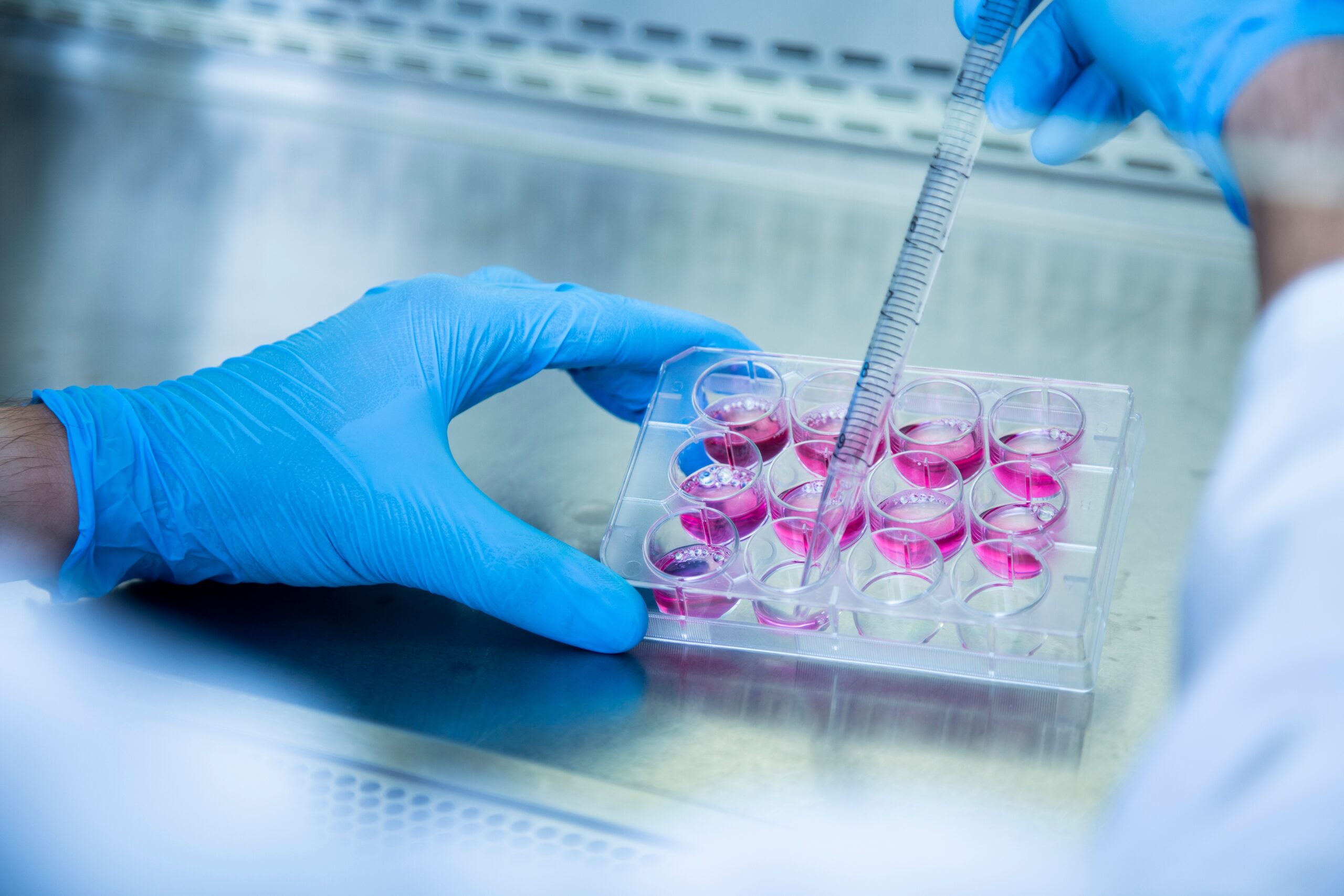
Mini brains grown in a dish shed light on Huntington’s disease and how we might treat it
Exciting new findings using 3D human lab-grown mini brains inform ongoing HTT-lowering trials and suggest that stem cell transplants for HD may improve cell-to-cell communication and reduce disease features.
HDBuzz Trial Tracker


Sites for Phase 3 trial for votoplam, INVEST-HD, now open. Updates on recruitment and first dosing imminent.
Show 9 more Show less

REGEN4HD, Phase 1 stem cell implantation study commences


Progress update for NCT06585449 – A Study to Evaluate ALN-HTT02